

Blog
How Often Should You Do Red Light Therapy

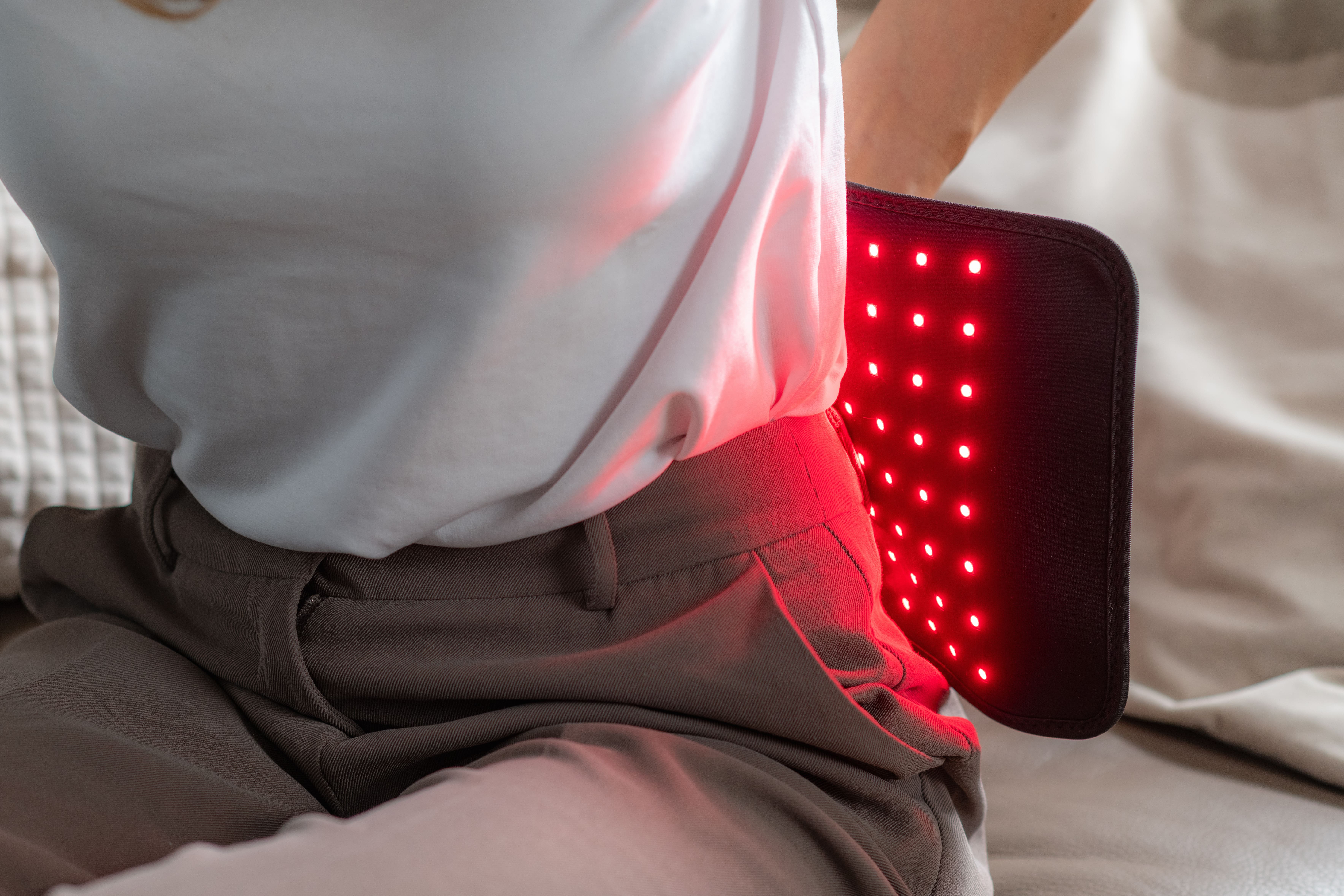
Red light therapy has emerged as a popular wellness tool for skin rejuvenation, pain relief, hair growth, and overall cellular health. Many users wonder how often they should use it to achieve noticeable results without overdoing it. While it is safe and non-invasive, the effectiveness of red light therapy depends on session frequency, duration, device type, wavelength, and individual needs. Understanding the optimal routine allows you to maximize benefits from anti-aging effects, inflammation reduction, and cellular repair.
Red light therapy works by delivering specific wavelengths of red and near-infrared light to the skin and underlying tissues. These wavelengths penetrate cells and stimulate photobiomodulation, a process that enhances mitochondrial activity, boosts energy production, and promotes collagen formation. The benefits extend to improved skin tone, reduced fine lines, faster muscle recovery, and even hair follicle stimulation. For professional guidance and high-quality sessions, consider Red Light Therapy at Huka Cosmetic Center.
Why Frequency and Duration Are Important
Red light therapy is most effective when used consistently but in the right amount. The therapy follows a biphasic dose-response curve, meaning too little light produces minimal results, while excessive sessions can reduce effectiveness or irritate tissue. For optimal outcomes, it is crucial to balance session duration, frequency, and the distance of the device from the target area.
Factors influencing frequency include the type of device, its irradiance or light intensity, the wavelength used, and the area being treated. For example, deeper tissues such as muscles or joints may require longer sessions than superficial skin applications. At-home devices are often lower-powered than clinical units, so they may require more frequent use to deliver comparable benefits.
Red Light Therapy Benefits and Targeted Goals
Red light therapy can be tailored to specific goals. Each goal may require a slightly different approach in frequency and duration.
Skin Rejuvenation and Anti-Aging
Red light therapy is widely used for skin rejuvenation because it stimulates collagen production and improves cellular repair. Starting with three sessions per week, each lasting ten to twenty minutes, is generally recommended. After four to eight weeks, you can reduce to one or two sessions per week to maintain results. Regular use can lead to reduced fine lines, improved skin elasticity, and an overall more youthful appearance.
Incorporating red light therapy into your wellness routine can also help with hyperpigmentation and skin tone improvement. The anti-inflammatory effects reduce redness, and photobiomodulation accelerates cellular repair, making the skin appear healthier and more radiant.
Pain Relief and Muscle Recovery
Athletes and individuals with joint or muscle discomfort often use red light therapy to accelerate recovery. Daily sessions for the first one to two weeks can help reduce inflammation, relieve soreness, and improve circulation. Each session should last ten to twenty minutes depending on the treated area. Once symptoms improve, reduce the frequency to three to four times per week for ongoing recovery and maintenance.
Infrared therapy penetrates deeper than red light, reaching muscles and connective tissues. This deeper penetration supports faster healing and helps maintain flexibility while minimizing post-workout fatigue. Regular use can enhance performance and support long-term joint health.
Hair Growth and Scalp Health
Red light therapy has gained attention for stimulating hair follicles and supporting hair growth. Begin with sessions every other day for the first eight to twelve weeks, each lasting ten to twenty minutes. Once hair growth stabilizes, reduce to one or two sessions per week. Red and near-infrared light improve cellular metabolism in hair follicles, enhancing hair density and thickness.
Consistency is key. Skipping sessions can delay results, while excessive use does not accelerate hair growth and may lead to scalp irritation.
How to Adjust Your Routine
Device specifications significantly impact session timing and frequency. Higher irradiance devices require shorter sessions, while lower-powered at-home devices may require longer exposure. Maintaining the correct distance from the skin ensures the proper dose without overexposure.
Individual response also matters. Monitor your skin, muscles, or hair condition over time. Signs of irritation such as redness, dryness, or soreness indicate the need to reduce session duration or frequency. Tracking progress every few weeks helps you fine-tune your routine for optimal results.
Intensive use during an initial phase followed by a maintenance phase is often most effective. Start with higher frequency sessions to achieve visible results and then shift to fewer sessions per week to maintain them. Avoid doubling sessions daily unless specified by the device manufacturer or a healthcare professional. For guidance and professional treatments, visiting Huka Cosmetic Center Miami ensures safe and effective results.
Safety Considerations
Red light therapy is generally safe, but proper usage is crucial to avoid potential issues. Overexposure may reduce the therapy's effectiveness and cause mild skin irritation. Protect your eyes from direct exposure, especially when using high-intensity devices. Avoid using red light therapy on photosensitive skin or open wounds without professional guidance. For at-home devices, following manufacturer guidelines ensures safe and effective use.
Practical Routine Setup
Creating an effective red light therapy routine involves a few simple steps:
- Clean and dry the skin before each session. Remove any makeup, sunscreen, or topical products that could block light.
- Position the device at the recommended distance from the target area. For skin treatments, keep it slightly farther; for deeper tissues, reduce the distance.
- Begin with ten to twenty minutes per session depending on your goal.
- Follow the recommended frequency based on your target outcome:
- Skin: Three times per week initially, then reduce to one or two sessions for maintenance
- Muscle and joint recovery: Daily or near-daily for one to two weeks, then reduce to three or four times per week
- Hair growth: Every other day for the first eight to twelve weeks, then maintain with one or two sessions weekly
- Skin: Three times per week initially, then reduce to one or two sessions for maintenance
- Track progress and adjust based on results and tolerance.
- Avoid consecutive double sessions unless specified by the device manufacturer.
Consistency and careful monitoring will ensure maximum benefits without risking irritation or reduced effectiveness.
Frequently Asked Questions
Can you use red light therapy every day
Daily use may benefit muscle recovery or acute inflammation initially. For skin or hair goals, daily sessions are usually unnecessary and may cause mild irritation.
How long until results appear
Results vary by goal and individual. Skin improvements may appear within a few weeks. Hair growth and deeper tissue recovery may require several weeks to months of consistent sessions.
Can overuse reduce benefits
Yes. Excessive sessions may decrease the therapy's effectiveness. Following recommended session times and frequency ensures consistent results.
Best time of day for sessions
There is no single ideal time. Many prefer morning to boost energy or evening to relax. Choose a consistent schedule that fits your lifestyle.
Are home devices as effective as professional units
Home devices are lower-powered and may require more frequent sessions for similar results. Professional devices provide deeper tissue penetration and higher irradiance.
Key Takeaways
Red light therapy effectiveness depends on goal, device type, wavelength, and individual response. Skin rejuvenation is best achieved with three sessions per week followed by maintenance. Muscle recovery may begin with daily sessions, then reduce to three or four weekly. Hair growth works well with every-other-day sessions followed by weekly maintenance. Sessions typically last ten to twenty minutes, adjusted by device power and target area. Monitor results and tolerance, and adjust your routine for maximum benefit.
Incorporating red light therapy into a structured wellness routine can enhance skin appearance, reduce inflammation, accelerate muscle recovery, and stimulate hair growth. Consistency combined with proper session duration and frequency ensures the therapy delivers measurable results while minimizing risks. By understanding how often to use red light therapy and how to adjust based on goals and response, you can fully leverage its benefits as part of your health and beauty routine.
Read More Blogs!
Stay updated with the latest blog posts and engage with our community.